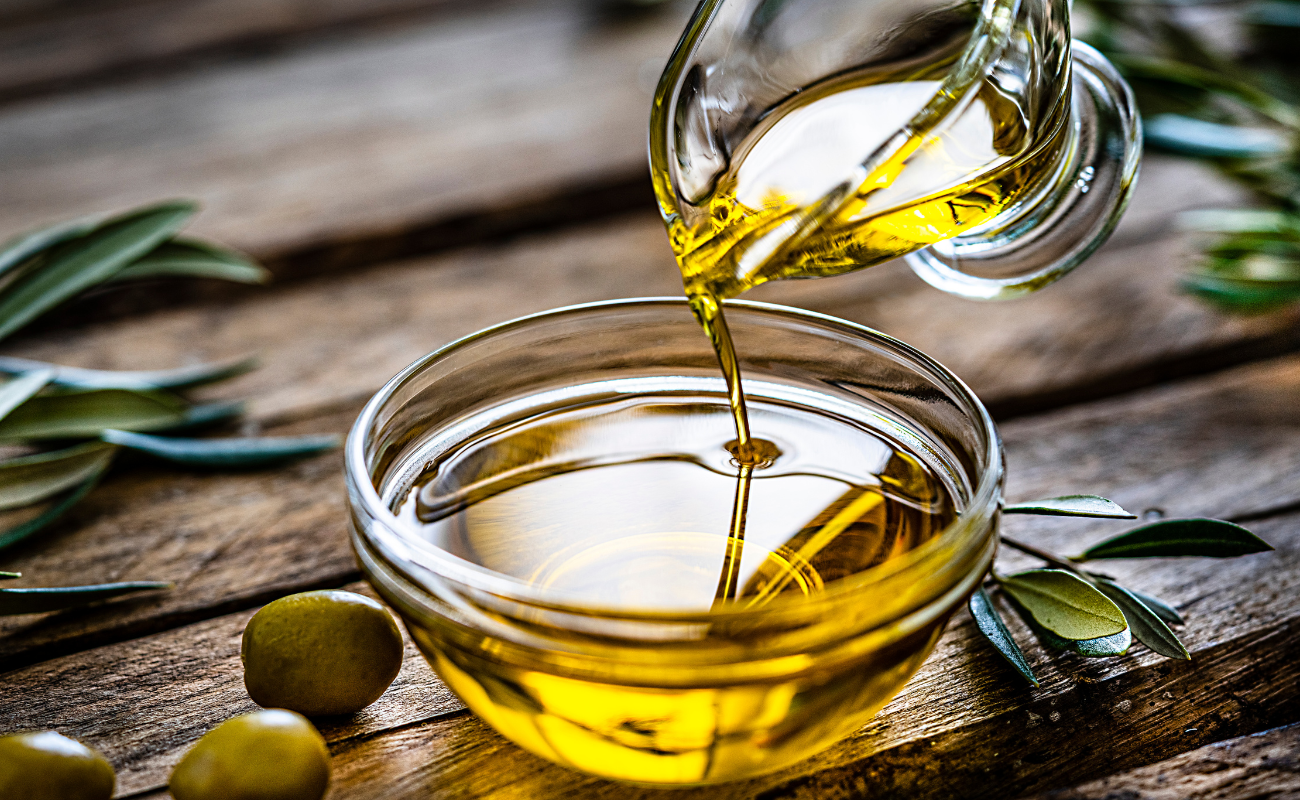
Extra virgin olive oil is more than a staple of the Mediterranean diet; it is the result of a meticulous agricultural and cultural process refined over centuries. Understanding how this oil is made helps consumers appreciate its quality, health benefits, and connection to the land. In particular, the production of extra virgin olive oil in Cerzeto, a small Calabrian village with deep Arbëreshë roots, represents a fascinating example of how tradition, environment, and modern standards can coexist. Why does origin matter so much when it comes to olive oil? And what makes oils from specific micro-areas like Cerzeto stand out in terms of flavor and authenticity? Exploring the production process offers valuable insights for anyone interested in quality food, sustainability, and traceable supply chains.
From Olive Grove to Mill: The Foundations of Quality
The quality of extra virgin olive oil begins long before extraction. It starts in the olive grove, where factors such as soil composition, altitude, climate, and olive variety play a decisive role. In southern Italy, and especially in Calabria, olive trees benefit from a unique combination of mild winters, hot summers, and mineral-rich soils.
Careful harvesting is essential. Olives destined for premium extra virgin olive oil are usually picked early, often by hand or with gentle mechanical methods, to preserve their integrity. This minimizes oxidation and ensures low acidity levels, a key requirement for extra virgin classification. Equally important is timing: olives must be processed within hours of harvest to retain their natural aromas and polyphenols.
Cold Extraction and Sensory Characteristics
Once harvested, olives are washed and milled using cold extraction techniques. This process keeps temperatures below 27°C, preserving nutritional compounds and preventing flavor degradation. The result is an oil rich in antioxidants, with distinctive sensory notes such as fresh grass, green almond, artichoke, or tomato leaf.
For consumers, understanding these characteristics is crucial. A slightly bitter or peppery taste, for example, is often a sign of high polyphenol content, not a defect. Learning to read labels, check harvest dates, and recognize sensory profiles helps distinguish authentic extra virgin olive oil from mass-produced alternatives.
Cerzeto and the Value of Local Identity
The production of extra virgin olive oil in Cerzeto is closely linked to local identity and small-scale farming. Here, olive oil is not an industrial commodity but part of a broader cultural heritage. Family-run farms, traditional knowledge passed down through generations, and respect for the land all contribute to a product that reflects its place of origin.
This local focus responds to a growing consumer need: transparency and traceability. People increasingly want to know where their food comes from, how it is made, and who produces it. In this context, learning more about artisanal producers rooted in specific territories can offer a more conscious and informed approach to food choices. For those interested in discovering a real example of this philosophy, exploring the story and values behind producers like Terra e Matrum extra virgin olive oil can provide useful context without relying on mass-market narratives.
Why Origin and Craftsmanship Matter in Extra Virgin Olive Oil
Extra virgin olive oil is the result of a complex process that blends agriculture, technology, and tradition. From careful harvesting to cold extraction, every step influences quality and flavor. The Cerzeto experience shows how local production can preserve authenticity while meeting modern standards. By deepening your understanding of how olive oil is made and where it comes from, you can make more informed choices and appreciate the true value behind every drop. Exploring trusted, territory-based producers is a natural next step for anyone seeking genuine quality.